


Living in Durango, Colorado: The 2026 Guide
The public land, the recreation, the neighborhoods, what it costs, and what living here is like.
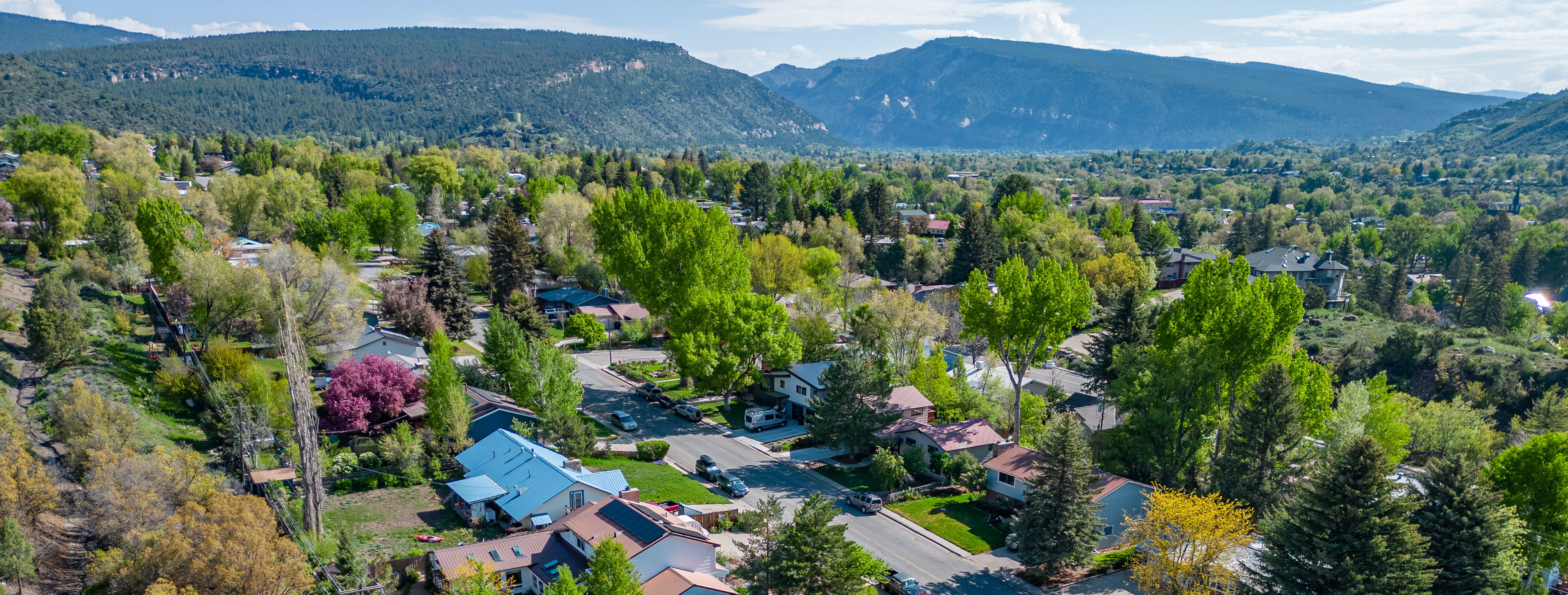
If you want to be surrounded by open space, public land and wilderness, then you might be considering a move to Durango, CO. Public land makes up 45% of southwest Colorado, and the San Juan National Forest alone covers more than 1.8 million acres, including the 499,771 acre Weminuche Wilderness, the largest designated wilderness in Colorado, and the 37,236 acre Hermosa Creek Wilderness and Durango sits in the middle of it. The city itself keeps 35 parks inside town limits and Durango Trails counts more than 300 miles of trail within 30 minutes of downtown. We're the destination of the Colorado Trail, the gateway to the Million Dollar Highway, and a checkpoint on the epic San Juan Skyway. And don't forget about the river and the train...
Most guides about moving here come from people who don't live here. It's just tough to speak to this area if you don't live it. It sounds corny, but you're not just buying a home here, you're buying a lifestyle, a quality of life. Real estate figures below are hand pulled and come from the Colorado Real Estate Network MLS: 942 residential sales that closed across La Plata County in the 12 months to August '26.
Table of contents
- Is Durango, Colorado a good place to live?
- Cost of living in Durango
- The Durango real estate market in 2026
- Neighborhoods: where people live in Durango, CO
- Jobs and the economy
- Schools
- Healthcare
- Weather and climate
- Getting to and around Durango
- Recreation and lifestyle
- The downsides of living in Durango
- Tips for making the move
- Frequently asked questions
Is Durango, Colorado a good place to live?
I'm probably biased, but for the right person, Durango is one of the best places in Colorado to own a home. We've got the small town community vibe with the infrastructure to support it.
Durango is the seat of La Plata County, about 45 minutes from Mesa Verde National Park, half an hour from Purgatory Resort, and a 6 or 7 hour (weather depending) hour drive from Denver. We're something like 3 hours from the nearest interstate, so it's tough to accidentally end up here. We've got a college that keeps things fresh, two hospitals that keep us healthy, local farms and ranches (like James Ranch) that keep us fed, excellent local homebuilders that create beautiful new constructions homes for sale, festivals, breweries, trails and more.
Who thrives here
- People who actively use the outdoors, not just people who say they want to
- Remote workers and retirees with income that's not tied to the local economy
- Second home buyers who want mountain access without Aspen or Telluride pricing
- Families who value small town life and are okay with longer drives for big city amenities
- People moving from higher cost mountain towns (Boulder, Bozeman, Jackson) for whom Durango feels like a bargain
Who might want think it through a bit more
- People expecting big city convenience: limited shopping, one main hospital system plus a surgical hospital, a compact downtown, minimal chain stores
- Dual income professionals where both careers depend on a larger job market
- Buyers expecting small town prices: housing here hasn't been cheap in over a decade
- People who need amenities at the level of Denver or Santa Fe
The easy answer is it's awesome here! But Durango rewards a specific way of living. If you already know you want it, you'll love it here. If you're unsure, spend two weeks here across different seasons before making the call.
Cost of living in Durango
Housing dominates everything. Median prices across every single family home, condo and townhome that closed in Durango over the last 12 months break down like this.
Housing costs: the three Durango areas
Durango isn't one real estate market. It's three, and each one tells a different story right now. Grouping them into one "median home price" hides three different stories.
The three markets are:
- Durango In Town: homes within Durango city limits and the immediately surrounding residential areas
- Durango Rural: homes on acreage outside city limits but still considered Durango proper (Florida Mesa, Animas Valley, east of town, and similar)
- Durango Mountain Area: the resort corridor north of town (Tamarron, Silverpick, Glacier Club area, up to Purgatory)
739 homes sold across the three Durango markets in the 12 months to August 21, 2026. They break out like this.
| Metric | In Town | Rural | Mountain |
|---|---|---|---|
| Homes sold | 263 | 383 | 93 |
| Median sold price | $727,500 | $870,000 | $685,000 |
| Median price per sq. ft. | $462 | $421 | $531 |
| Median days on market | 64 | 84 | 119 |
| Median sold to original list | 97.3% | 95.8% | 94.0% |
| Sold below original list | 68% | 75% | 91% |
| Took over 120 days | 24% | 32% | 48% |
Source: CREN MLS, all closed residential sales, 12 months to August 21, 2026.
The overall picture
Across the three Durango markets, the 12 months to August 21, 2026 show (CREN MLS):
Widen it to all of La Plata County, which adds Bayfield and Vallecito, and it is 942 sales at a $716,750 median.
That 74% figure is the number most people miss. This is not a market where buyers pay asking. Outside a handful of competitive in town price points, you are almost always negotiating, and in the mountain corridor the negotiating room is wide.
Why is Durango so expensive?
Four things stack up at once. The valley itself is narrow, so there is only so much developable land inside town. Notice how the expansion is eastward? Major development happening in the Three Springs /Grandview area. Second home buyers and remote workers compete for that same limited supply. Local wages don't keep pace with what those buyers can pay. And everything trucked in carries a freight premium.
That gap shows up in the numbers above: a $779,000 median sold price in a town where most people work in tourism, education, healthcare, or government.
Other costs beyond housing
Durango's cost of living runs 6% above the national average and 3% below the Colorado state average (ERI Economic Research Institute, Durango cost of living index). Housing is the line item that runs high; food and transportation both come in more affordable than the national average.
- Groceries: City Market (Kroger) and Albertsons handle the main shop. Natural Grocers, Nature's Oasis and Sunnyside Market cover natural, organic and local.
- Utilities: surprisingly reasonable. Natural gas heat, no air conditioning needed most summers.
- Healthcare: roughly on par with national averages.
- Dining out: Solid local food scene, but mountain town markup is real.
Durango is the most affordable of Colorado's resort counties
This is the part most people get backwards. Durango reads as expensive, and against a national average it is, by 6%. The La Plata County median across all 942 sales in the 12 months to August 2026 is $716,750 (CREN MLS). Set it against the company it keeps and La Plata County has the lowest priced real estate compared to other Colorado resort counties. I broke the full comparison down in my 2025 Colorado resort county market recap, using Colorado Association of Realtors data.

That is the real argument for buying here rather than in a better known Colorado mountain town: the same San Juan access, the same trail network and a commercial airport, at the lowest entry point of any resort county in the state.
The Durango real estate market in 2026
Durango is three markets, not one, and they behave differently enough that a single county median will mislead you. Here is where each one sat over the last 12 months.
Durango In Town: the tightest market of the three
263 homes sold inside town in the 12 months to August 21, 2026, at a median of $727,500 and $462 per square foot (CREN MLS). Half went under contract inside 64 days.
In town supply stays tight because the valley is narrow and developable land is limited. This is also the only one of the three markets where most sellers hold close to their asking price: the median sale closed at 97.3% of original list, and 68% sold below asking, the lowest share of the three.
What to expect:
- Tight supply in turnkey homes under $800,000
- Limited room to negotiate on properties priced correctly
- Strong competition for walkable downtown adjacent homes and the best school zone locations
- Only 9% of in town sales closed inside 30 days, so competitive does not mean instant
Durango Rural: the biggest market, and the slowest to move
Rural Durango is where most of the volume is: 383 sales, more than in town and the mountain corridor combined, at a median of $870,000 and $421 per square foot (CREN MLS).
It is also patient. Median days on market runs 84, and 32% of rural sales took more than 120 days to close. 75% sold below their original asking price.
Read that as opportunity rather than weakness. Buyers are showing up and deals are closing, but sellers are having to come down to get there, which is a good market for a buyer with flexibility on exact neighborhood and features.
One thing to plan for out here: most rural properties run on a well and a septic system rather than city utilities, and that changes what inspection and closing look like. I wrote a separate septic inspection guide for La Plata County covering how that part works.
Durango Mountain Area: the clearest buyer's market
The resort corridor is the smallest of the three at 93 sales, and the most negotiable by a wide margin (CREN MLS). Also the most short term friendly real estate in the area.
- 91% of sellers closed below their original asking price
- 48% of sales took more than 120 days
- Only 4% closed inside 30 days
- Median sale landed at 94.0% of original list, the lowest of the three
The median price of $685,000 is the lowest of the three markets and the $531 per square foot is the highest. The corridor sells smaller units at premium rates: condos and townhomes near the slopes rather than acreage.
If you are a second home buyer willing to negotiate and be patient, this is the strongest opportunity in the Durango market right now. If you bought at the 2021 to 2022 peak up there and are considering selling, think carefully about your timing.
Where prices sit by range
Across all 942 La Plata County sales in the 12 months to August 21, 2026, price distributes like this (CREN MLS):
More than half the county sold under $750,000. The million dollar Durango of the headlines is real, but it is the top third of the market, not the middle of it.
For a deeper look at any specific month's market, my monthly recap covers the specific addresses, closed prices, and what moved against what sat. If you already own here and want a current number on your own place, you can check what your Durango property is worth.
Neighborhoods: where people live in Durango, CO
Generic relocation guides reduce the places to live in Durango, CO to one line summaries, or skip the section entirely. Local knowledge matters most here.
In town Durango
- Historic Downtown: Walkable, historic, closest to restaurants and the train. Homes range from charming old Victorians to newer infill. Typical range: $700K to $2M+.
- Crestview: Hillside neighborhood with valley views, just above downtown. Character homes. Typical range: $800K to $2M.
- Three Springs: Newer planned development southeast of town. It sits about 7 miles from downtown but counts as in town because the city annexed it. Modern construction, community amenities. Typical range: $700K to $1.3M.
- Twin Buttes: Newer mountain modern development with city utilities. Current median list price is $1.6M+.
Rural Durango
- Rafter J: East of town, quick access to downtown, pine forest setting. Typical range: $900K to $1.6M.
- Edgemont Ranch/Highlands/Meadows: East of town along Florida Road, about 10 minutes to downtown, established community with trails. Typical range: $1M to $2M+.
- Durango Hills: In the woods accessed by graded dirt roads. $650K to $1.2M.
- Dalton Ranch: Golf course community in the Animas Valley north of town, on paved access. Homes and townhomes built 1994 to 2026, all with an HOA. Typical range: $1.05M to $1.5M, with 21 current listings spanning $869K to $2.95M (CREN MLS list prices).
- Animas Valley / Hermosa: North of town toward the resorts, ranching country with larger lots and horse properties. Typical range: $1M to $5M+.
- Florida Mesa / south of town: Agricultural feel, larger lots, slightly more affordable than east side. Typical range: $700K to $1.5M.
Durango Mountain area
- Glacier Club / Tamarron: Golf community living with condos through luxury homes, close to Purgatory. Second home heavy. Studio condos in the lodge from about $200K; homes from $1.2M+. Pay attention to the HOA costs!
- Purgatory area: Ski in, ski out and near slope properties. Condos from $300K, homes $800K to $3M+.
Outlying towns (not Durango proper but often in the search)
- Bayfield (20 min east): Bedroom community, growing, and the main affordability valve. 151 homes sold there in the 12 months to August 2026 at a $529,000 median, roughly 73% of the in town Durango median (CREN MLS).
- Silverton (50 min north): A 9,300 foot mining town at the top of the Million Dollar Highway, surrounded by the San Juans on every side. 18 sales in the 12 months to August 2026 at a $509,500 median, with housing stock running from 1893 Victorians to 2026 new build (CREN MLS). Typical range: $320K to $650K.
- Mancos (25 min west): Artsy small town near Mesa Verde. Character homes, slower market. Still a lot of bang for your real estate buck. Typical range: $400K to $800K.
- Pagosa Springs (60 min east): Full resort town with hot springs, its own distinct market. Typical range: $450K to $1.5M+.
If you'd like the deeper dive on any of these, I have dedicated pages for Durango homes for sale, Bayfield, Mancos, and Pagosa Springs among others, plus a breakdown by Durango subdivisions.
Jobs and the economy
The biggest employer in La Plata County is not the college or the hospital. It is the Southern Ute Indian Tribe, whose government and enterprises employ about 1,600 people (Region 9 Economic Snapshot 2024).
The county's ten largest employers, 2023:
| Employer | Jobs |
|---|---|
| Southern Ute Indian Tribe | 1,600 |
| Durango School District 9-R | 998 |
| Mercy Regional Medical Center | 901 |
| Purgatory Recreation Management | 850 |
| Fort Lewis College | 683 |
| La Plata County | 445 |
| Walmart | 437 |
| City of Durango | 354 |
| Bayfield School District #10 | 216 |
| Rocky Mountain Chocolate Factory | 200 |
Source: Region 9 Economic Snapshot 2024, La Plata County, top employers 2023.
Purgatory at 850 jobs sitting above Fort Lewis College tells you something real about this economy: the mountain is not just a weekend amenity, it is one of the county's largest payrolls.
Durango has 19,458 residents inside a county of 56,557, growing about 0.9% a year (Region 9, Colorado State Demography Office). Across the county there are 35,502 jobs. Tourism accounts for 28% of the base economy and households spending money earned elsewhere, meaning retirees and remote workers, account for another 31% (Region 9). Unemployment ran 2.6% in 2023, below Colorado's 3.2% and the national 3.7%.
More people commute into the county for work than out of it: 4,255 in against 3,288 out (Region 9, Lightcast Labor Market Analytics).
The catch: wages here don't keep pace with housing. The county average annual wage is $56,383, which is 75% of the Colorado average, while a livable wage for two working adults with two children is $86,196 (Region 9). Per capita income tells a different story at $68,794, 105% of the national figure, because a lot of income here arrives from somewhere else.
That is the shape of it. The people who settle in most easily bring their income with them: remote work, retirement, business ownership, or a partner who works remotely. Remote work has reshaped Durango since 2020, and a meaningful slice of my buyer clients now work for companies headquartered on the Front Range or further afield.
Schools
Durango School District 9-R serves the in town area and is generally well regarded:
- Multiple elementary schools across the district
- 2 middle schools (Miller, Escalante)
- 1 main high school (Durango High School) plus Animas High and Big Picture High School as an alternative option
- Charter options include Juniper School (K to 8) and Mountain Middle School
Higher education: Fort Lewis College sits on the mesa above downtown. It is a Carnegie Research College and describes itself as the most affordable four year college in Colorado, with 95% of students doing undergraduate research and every class taught by faculty rather than teaching assistants (fortlewis.edu). Its Native American Tuition Waiver is a defining part of the school. It also fields a nationally competitive collegiate cycling team, more on that below.
Two more options matter for families weighing the move. Pueblo Community College runs a Durango site at 701 Camino del Rio, plus a campus in Mancos (pueblocc.edu). San Juan College in Farmington, New Mexico, 53 miles away, offers more than 140 two year degree and certificate programs (sanjuancollege.edu).
Healthcare
Durango has two hospitals, which is unusually strong for a town this size.
- Mercy Hospital (CommonSpirit): the main full service regional hospital: emergency care, surgery, cancer treatment, cardiology, maternity. Affiliated clinics cover most primary care needs.
- Animas Surgical Hospital: a specialty hospital focused on orthopedic and surgical care. In a town built around mountain biking, skiing, climbing, and rafting, having a dedicated orthopedic and trauma resource matters more than it sounds. Athletes and active retirees specifically value this resource.
Where it gets tight: highly specialized care often requires travel. Complex surgeries, rare disease treatment, and certain specialists are in Denver (6 hours), Albuquerque (3.5 hours), or Phoenix (7 hours). For most residents, most of the time, local care is fine. For complex chronic conditions, you'll want to factor travel in.
Mental health resources have grown over the past few years but still lag demand.
Weather and climate
Durango's climate is one of its most underrated features. Downtown Durango puts it at more than 300 days of sunshine a year, with moderate seasonal swings thanks to our southern latitude combined with elevation (downtowndurango.org).
- Spring (April to May): Unpredictable. Can be 70°F and sunny or dumping late season snow. Mud season is a real thing. We also refer to this time of year as windy season, watch out for the tumbleweeds!
- Summer (June to August): 80s by day, 50s at night. August 2026 at the Durango La Plata County Airport station ran highs of 81 to 97°F against lows of 48 to 60°F (Weather Underground, station KDRO). Afternoon thunderstorms during monsoon season (July to August). No humidity. Most homes don't have AC because you don't need it.
- Fall (September to October): Genuinely the best season. Crisp, sunny, golden aspens, stable weather.
- Winter (November to March): Cold but manageable. January 2026 averaged a 44°F high against an 18°F low at the airport station, with a coldest night of minus 2°F (Weather Underground, station KDRO). Average annual snowfall in town is about 71 inches (downtowndurango.org). The resort corridor gets far more: Purgatory averages 209 inches a season (OnTheSnow historical snowfall).
Altitude adjustment: at 6,512 feet (topographic-map.com), expect a few days of mild altitude effects (fatigue, dehydration, trouble sleeping) when you first arrive. It passes. The sun is also more intense here, so sunscreen isn't optional. Keep in mind a neighborhood like Durango West 1 and 2 are about 1000' higher than in town, even though they're just 10 minutes outside of town. The difference means they could get a foot of snow when town only gets a few inches.
Getting to and around Durango
The airport is a real advantage
Durango La Plata County Airport (DRO) is 15 minutes south of town and, for a regional airport in a mountain community, is genuinely one of the perks of living here. Direct flights to Denver (United, American), Dallas (American), and seasonal routes to Phoenix and Chicago. It's not Denver International, but it punches above its weight for a town this size. Most mountain town competitors (Mancos, Silverton, Pagosa) don't have a commercial airport at all, and their residents drive here to fly.
Fares run a premium over Front Range airports, but for second home buyers and remote workers, flying nonstop to DFW or DEN instead of driving is a real quality of life asset.
Driving from elsewhere
- From Denver: about 6 hours, most of it two lane mountain highway. Beautiful drive but not a casual commute.
- From Albuquerque: about 3.5 hours, easier road.
- From Phoenix and Salt Lake City: about 7 hours.
Getting around town
Durango is walkable in the historic downtown core and bike friendly along the Animas River Trail. Outside of that, it's a car town.
- Public transit: The Durango Transit "T" system covers the city. Useful but limited.
- Biking: Durango is a cycling mecca, more on that in the next section. The Animas River Trail is a flat, paved 7+ mile artery through town.
- Winter driving: 4WD or AWD is strongly recommended. If you're wondering if you need 4x4/AWD to live here, the easy answer is no. But just because you can, doesn't mean you should. Good snow tires make the most difference.
- Uber/Lyft: They're around, but don't count on someone to be waiting there for you at the airport when you land, or to take you home after a night out on town. Call and demand transportation can be unreliable around here, you're better off scheduling ahead of time with a transportation service in the area.
Recreation and lifestyle
This really is the driver for being here. If you're not here for some form of outdoor recreation, you're going to struggle to find the value to living here.
2030 UCI Mountain Bike World Championships
In 2030, Durango is hosting the UCI Mountain Bike World Championships, the sport's global championship event. It's a homecoming. Durango and Purgatory Resort hosted the very first UCI Mountain Bike World Championships back in 1990, and 2030 marks the 40th anniversary of that inaugural event.
Leading up to Worlds, Durango will also host a major international mountain bike race in 2028 and a UCI World Cup round in 2029. All three events will be held at Purgatory Resort covering Downhill, Cross Country Olympic, Short Track, and Ebike disciplines.
The signal here runs wider than cycling:
- Durango Trails, the local nonprofit that plans and maintains them, counts over 300 miles of trails within 30 minutes of downtown Durango (durangotrails.org)
- The thin air here creates a natural training advantage that's produced generations of Olympic and professional cyclists
- Ned Overend, who won the men's title at that original 1990 event, still lives in Durango
- Sepp Kuss, the most recent American Grand Tour winner, came up through Durango Devo (one of the country's first junior development cycling organizations)
- The Iron Horse Bicycle Classic has run the Durango to Silverton highway since 1971 (ironhorsebicycleclassic.com)
- Fort Lewis College's cycling team has won multiple national championships
For anyone relocating here specifically because of the outdoor recreation caliber, Durango hosting Worlds is the external validation that the local reputation isn't marketing, it's real. For second home buyers in the resort corridor, these events also represent a meaningful uplift in visibility for the area between now and 2030.
Public land is the whole point
45% of southwest Colorado is public land (Region 9 Economic Snapshot 2024). That is the number that explains why people put up with the housing costs.
- San Juan National Forest wraps the town on three sides
- Weminuche Wilderness: 499,771 acres, the largest designated wilderness in Colorado, and the back door to it is an hour from your kitchen
- Hermosa Creek Wilderness: 37,236 acres, designated in 2014
- 35 city parks inside Durango's own limits, from the 0.3 acre Crestview Park to the 38 acre Chapman Hill (Durango Herald, May 2021)
- BLM land and Mesa Verde National Park to the west, where the mountains give way to canyon country
Two landscapes, mountain and high desert, both reachable in a morning. That combination is rare, and it is the part of living here that does not wear off. My to-do list has gotten longer, not shorter after living here all this time. It's a curse!
And the other thing to consider, when you're really ready to explore, we're about 2.5 hours from Moab, 4-5 hours from Lake Powell and the Grand Canyon, with all the American Southwest Desert to explore in between.
Mountain biking, from your front door
Durango does not have trailheads you drive to. It has trailheads you ride to.
- Horse Gulch and Animas Mountain are in town. Not near town, in it.
- Sale Barn and the Twin Buttes system are also in town, which means most of the network is rideable without loading a bike onto a car.
- Haflin Creek, 10 miles out, is some of the fastest and most physically demanding downhill in southwest Colorado.
- Hermosa Creek and Dry Fork add the longer days.
- San Juan Hut System is for when you're ready to level up to a bikepacking adventure. It links multiple "huts" in the high county of the San Juans, starting at Molas Pass, about an hour north of Durango and finishes in Moab. It's a pretty epic trip
Purgatory keeps building out its summer bike park on top of all that.
Skiing without the Interstate 70 tax
Purgatory is 26 miles north of town. Stop and go traffic on the drive is rare and mostly limited to big powder mornings, so it is a 30 minute run from town most days.
From Denver you can spend a couple of hours in traffic before you reach a resort, then another hour parking and getting to a lift. In Durango. you can be on the lift in under an hour, door to chair. Lift lines here are short by Colorado standards.
The mountain is also growing. Purgatory is installing the Colorado Couloir, a fixed grip triple that climbs 1,625 vertical feet at a 60% grade and opens seven new trails and connectors, scheduled to debut in December (purgatory.ski, July 2026).
The rest of the recreation menu
- Other skiing: Wolf Creek (2 hr east) is Colorado's snowiest resort. Silverton Mountain is expert only, lift served backcountry. Telluride is about 2.5 hours.
- Hiking: San Juan National Forest has thousands of miles of trails, and the Colorado Trail starts (or finishes) in Durango. The Weminuche Wilderness keeps the wild in wilderness with plenty to explore. 9 out of 53 of Colorado's 14ers are located in the San Juans.
- Rafting and Kayaking: You hear a lot about mountain biking here, but I would make the argument Durango is as much of a river town. The Animas river is celebrated during the Animas River Days festival, and cuts through town with a handful of sections to run. Close to it's headwaters outside of Silverton, there is the bucket list Class V run on the Upper Animas to a lazy day floating down the flat waters of the Trimble section. The town run has a whitewater park with rapids that can grow to solid school bus sized Class III+ hits at high water that mellow out to tube friendly fun just in time for the dog days of summer.
- Fishing: . Fly fishing on the gold medal water of the Animas, Dolores, Florida and Piedra and San Juan below the Navajo dam. Lake Nighthorse and Vallecito Reservoir for paddle sports.
- Climbing: sport and trad routes throughout the area, with Durango Rock Lounge covering indoor.
- Hunting: GMUs throughout La Plata County and nearby are popular for elk, mule deer, bear and turkey.
Culture and community
- Durango & Silverton Narrow Gauge Railroad: Running since 1882 still a centerpiece of downtown.
- Downtown Main Avenue: A walkable historic district with independent restaurants, shops, and bars, not a dead downtown like many small towns.
- Festivals: Snowdown (winter carnival, quintessential Durango), Iron Horse Bicycle Classic (Memorial Day), Music in the Mountains (summer classical festival), Durango Film Festival, Animas River Days, San Juan Brewfest and more!
- Food and drink: Surprisingly good for a town this size. Ska Brewing, Steamworks, Anarchy and Animas Brewing anchor a solid beer scene.
Other considerations of living in Durango
Durango rewards people who come in with clear eyes. These are the things that catch newcomers out, and none of them are secrets to anyone who lives here:
- Housing affordability is a real problem. If you're earning a Durango wage, homeownership is genuinely hard. Most first time buyers here are either relocating, bringing equity from a higher cost market, or getting help from family.
- Distance. Albuquerque is the nearest big airport at 3.5 hours. Nothing is a quick trip. Winter weather can make it worse. Personally I feel that it's a feature.
- Shopping is limited. You'll make friends with Amazon. Walmart, Home Depot, and basic box stores are in Durango; Farmington, NM has a Target, Sam's Club and other chains and box stores.
- Healthcare limitations. We have two hospitals, Mercy has flight for life. Good for routine and trauma, limited for specialized chronic conditions.
- Seasonal tourism. Summer brings crowds, higher restaurant waits, and traffic around town and on the trails. Most locals plan around it.
None of these stop people loving it here. They are the tradeoffs you make for a town wrapped in 1.8 million acres of national forest, and most residents would make the same trade again.
Tips for making the move
People who make smooth moves here tend to do the following:
Visit in two different seasons. Summer Durango and February Durango are different experiences. Both should feel right before you commit.
Confirm your income source works. If you're remote, test the internet speeds at your actual prospective address, not just "Durango has internet." Rural and resort corridor speeds can vary a lot.
Plan for the altitude. Don't arrive and try to hike to 10,000 feet on day one. Give yourself a week to adjust. Stay hydrated!
Get winter tires. People still show up with summer tires on a sedan and wonder why January is scary.
Set realistic timelines. A good Durango home search typically takes 3 to 6 months. Rushed buyers in this market tend to overpay or end up in the wrong neighborhood. You can search current listings long before you're ready to move.
Understand which of the three Durango markets you're buying into. The Mountain Area, where the median sale takes 119 days, behaves nothing like the In Town market at 64. Price strategy, negotiation approach, and timeline expectations should all shift based on which segment you're targeting.
Work with someone local. It's true regardless of who you pick: Durango's sub markets are different enough that a general purpose agent from Denver or Santa Fe will miss nuance that costs you money.
If you'd like to talk through your specific situation, I'm happy to talk, no pressure, no commitment. Most of my out of state clients start with a phone call months before they're ready to make a move.
Frequently asked questions
Is Durango a good place to live?
For active outdoors oriented people with income that's not tied to the local economy, it's excellent. If you need big city amenities within a short drive, look carefully at the tradeoffs first.
How much does it cost to live in Durango, Colorado?
Cost of living runs 6% above the national average and 3% below the Colorado state average (ERI Economic Research Institute), driven almost entirely by housing. Median sold price across the 739 Durango sales in the 12 months to August 2026 is $779,000 (CREN MLS), though that ranges by sub market: $727,500 in town, $870,000 rural, $685,000 in the mountain corridor.
Why is Durango, Colorado so expensive?
A narrow valley leaves little room to build inside town, and second home buyers and remote workers compete for that limited supply while local wages don't keep pace. Everything trucked in carries a freight premium on top of that.
Is Durango cheaper than Denver?
Housing is cheaper than central Denver but more expensive than outer Denver metro suburbs. Most everything else is roughly comparable or slightly higher due to distribution costs.
How high is Durango, and will the altitude affect me?
Durango sits at 6,512 feet, and the town ranges from 6,362 to 8,655 feet (topographic-map.com). In my experience most people feel mild effects for the first few days after arriving: fatigue, dehydration, and trouble sleeping. It passes, and the bigger day to day adjustment is the sun, which is more intense at this elevation.
What's the weather like in Durango year round?
More than 300 days of sunshine and about 71 inches of snow in town per Downtown Durango, with 209 inches a season at Purgatory per OnTheSnow. Four distinct seasons: August 2026 ran highs of 81 to 97F, and January 2026 averaged a 44F high against an 18F low (Weather Underground, station KDRO).
Is Durango a good place to retire?
For active retirees with healthcare flexibility (or willingness to travel for specialized care), Durango is genuinely excellent. Having both Mercy Hospital and Animas Surgical Hospital locally is a real advantage for active retirees.
Do any notable people live in Durango?
Durango's best known residents come out of its cycling history. Ned Overend, who won the men's title at the first UCI Mountain Bike World Championships in 1990, still lives here. Sepp Kuss, the most recent American Grand Tour winner, came up through Durango Devo, the local junior development program.
How far is Durango from Denver?
About 6 hours by car (330 miles). Direct flights from Durango to Denver are available through United on small regional aircraft.
What are the best neighborhoods in Durango?
Depends on what you want. For walkable downtown life: Historic Downtown, Crestview. For family friendly with good schools: Durango Hills, Twin Buttes, Three Springs. For rural acreage: Edgemont Ranch, Animas Valley, Rafter J. For resort access: Glacier Club, Tamarron. See the neighborhoods section above for a deeper rundown.
Is it hard to find a job in Durango?
Yes and no. Tourism, hospitality, healthcare, and education jobs are generally available. Professional/corporate roles are limited. Most successful relocators arrive with income already secured.
Do I need four wheel drive to live in Durango?
AWD or 4WD is strongly recommended if you live outside the city core or drive regularly in winter. In town, with good snow tires, a front wheel drive car can work.
How's the internet in Durango?
In town Durango has solid broadband (fiber available in many neighborhoods). Rural properties and the resort corridor vary, so test at the specific address before assuming remote work will be viable.
Is this a good time to buy a home in Durango?
Depends which of the three sub markets. In town is the tightest, with 68% selling below asking. Rural rewards patience. The Mountain Area is the clearest buyer's market of the three: 91% of sellers closed below their original asking price in the 12 months to August 2026, and 48% waited more than 120 days (CREN MLS). That's a negotiation environment.
Ready to talk about moving to Durango?
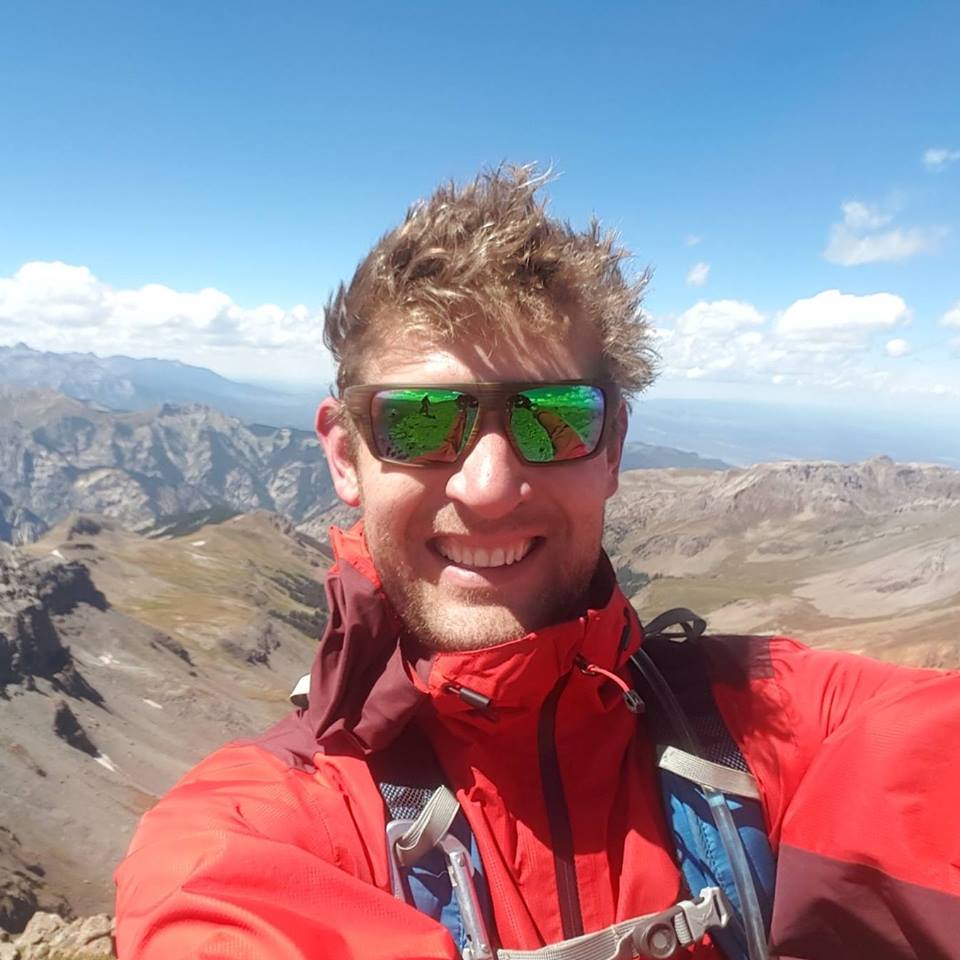 I've been a Realtor here since 2016. I'm your guy: no team, no transaction coordinator, no assistants, no handoffs. If you're thinking seriously about Durango, the best next step is a phone call: we can talk about your story, what you're looking for, and whether a move makes sense for you.
If you're ready to start, here's how I work with people buying a home in Durango, and here's what my past clients say.
John Mace | Your Durango Real Estate
mace@yourdurangorealestate.com
yourdurangorealestate.com
Serving Durango, Bayfield, Mancos, Cortez, Pagosa Springs, Silverton, and all of Southwest Colorado.
(970) 648-4149Related guides